

A safe place for growth.
We help your child gain confidence through play and social interaction!
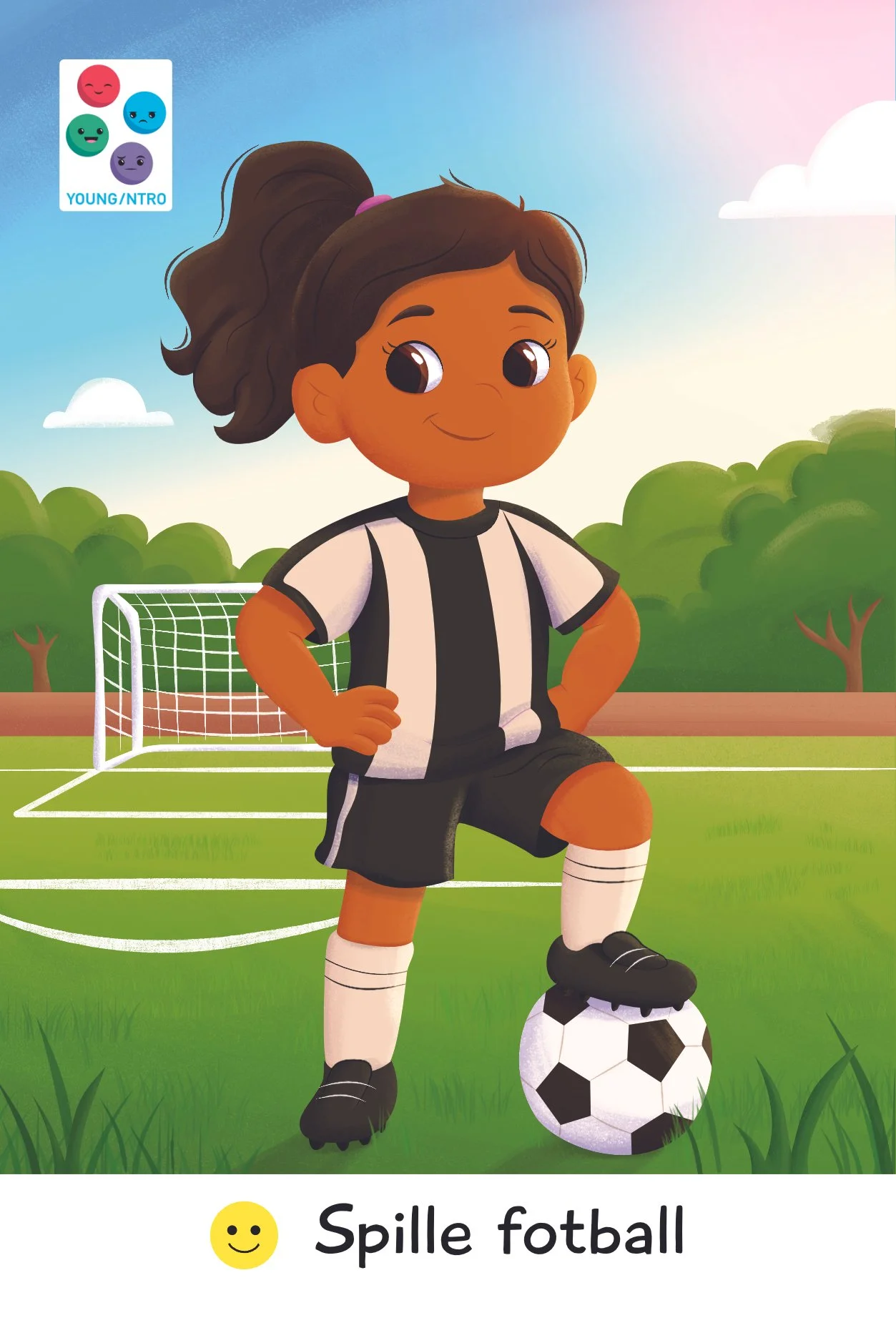
Our flash cards “Children Talking” turns simple moments into meaningful conversations and confident kids
Having piloted “Children Talking” in kindergartens and with groups in Uganda (2022) we have documented that they help build skills in children:
Promote language skills
Social and emotional development
Help them make friends
Promotes trust and dialogue
Develop their cognitive skills, e.g. planning, interpretation, contextual understanding, communication skills
How can we facilitate for children and young people to express their needs and emotions?
Young Intro is based on my life experiences over the past 30 years. Drawing on personal experience as well as from my studies, volunteer work, and professional life, I have developed “Children Talking” as a method to create security for children and to establish trust and dialogue.
I have experienced feeling unsafe in situations where I should have felt safe, both at home and at school. When I was 11 years old, I became a next of kin to a mother with cancer. Unfortunately, she passed away far too early, when I was 18. During the last two years of primary school, I experienced bullying. At a time when I should have been able to talk about what was happening at school, I felt that I couldn't. My mother's illness took up a lot of time and space, but my family didn't talk about it this either. We kept silent about her illness, treatment and progress. My parents thought they were protecting us, but it only made things worse. I don’t know how many times I prepared for her to die, until she passed away in 1998.
I left my family early to seek social, emotional, and intellectual learning and nourishment. At 17, I went on an exchange year to the United States and attended high school. I attended International Baccalaureate at Lillestrøm Secondary School. I ventured on to England for my Bachelor’s degree in International Relations at Keele University - a ‘melting pot’ of students from all corners of the world. Keele is a safe, peaceful community on its own in a rural setting. I lived in student accommodation with girls of various national background. We all lived in separate bedrooms and shared common areas. Socially, I experienced well-being and inclusion with other students and study friends. I found Keele as a perfect place for me to grow into a young woman.
Not wanting to live in Norway, I continued my studies with a Master's in International Development in Adelaide, Australia. I gained a broader understanding of 'development studies,' as it is called in Norwegian, and various perspectives on the topic. In public health and gender studies, I learnt about gender-based violence and social control in various cultural contexts. And how creative expression, for example role-playing and storytelling, can be used in working with vulnerable groups – including children and young people, women, and men. I also learned about the importance of including people in development-related work that concerns them, to avoid 'top-down approaches to development.''
After returning from Australia, I started looking for a job. And experienced that no one was interested in my skills as a social scientist. After five years of studying abroad, I was left with nothing - no professional network or anyone to help in obtaining employment, in my own home country. The feeling of not being good enough was overwhelming.
After a year of experience as a very flexible and eager-to-work kindergarten assistant and waiter for Adecco, I traveled for six months as a volunteer in southern Africa. After five years of theory during my studies and no practical experience, I wanted to do gain “hands-on” experience, and help find solutions in everyday life. In South Africa, I volunteered for a couple of months with Zulufadder, Mari Maurstad's sponsorship organization. I then travelled by myself to Botswana and volunteered at SOS Children’s Villages in Gaborone, the capital.
After returning home in 2007, I started looking for work and began working at NAV, social welfare services. In 2012, I started working in the Introduction Program for Refugees. What I had learned during my studies did not match what we did in practice – including linking benefit schemes to our social and inclusive work. I experienced that this connection contributed to stigmatizing refugees in society and to creating a perception that refugees only want to take money from the government. My experience is quite the opposite – people want to create a stable and good, secure life for their families and themselves. They want to learn Norwegian, get a job, and have a good life.
I have worked on developing Young Intro in my own free time, alongside both part-time and full-time work, to develop my concept and ideas. My goal is to promote better inclusion for children and young people and creating opportunities for participation. Participation and the opportunity to influence promote a sense of mastery, well-being, and quality of life. And we get happier, more confident, and better-functioning children.
People are people.
And children are children.
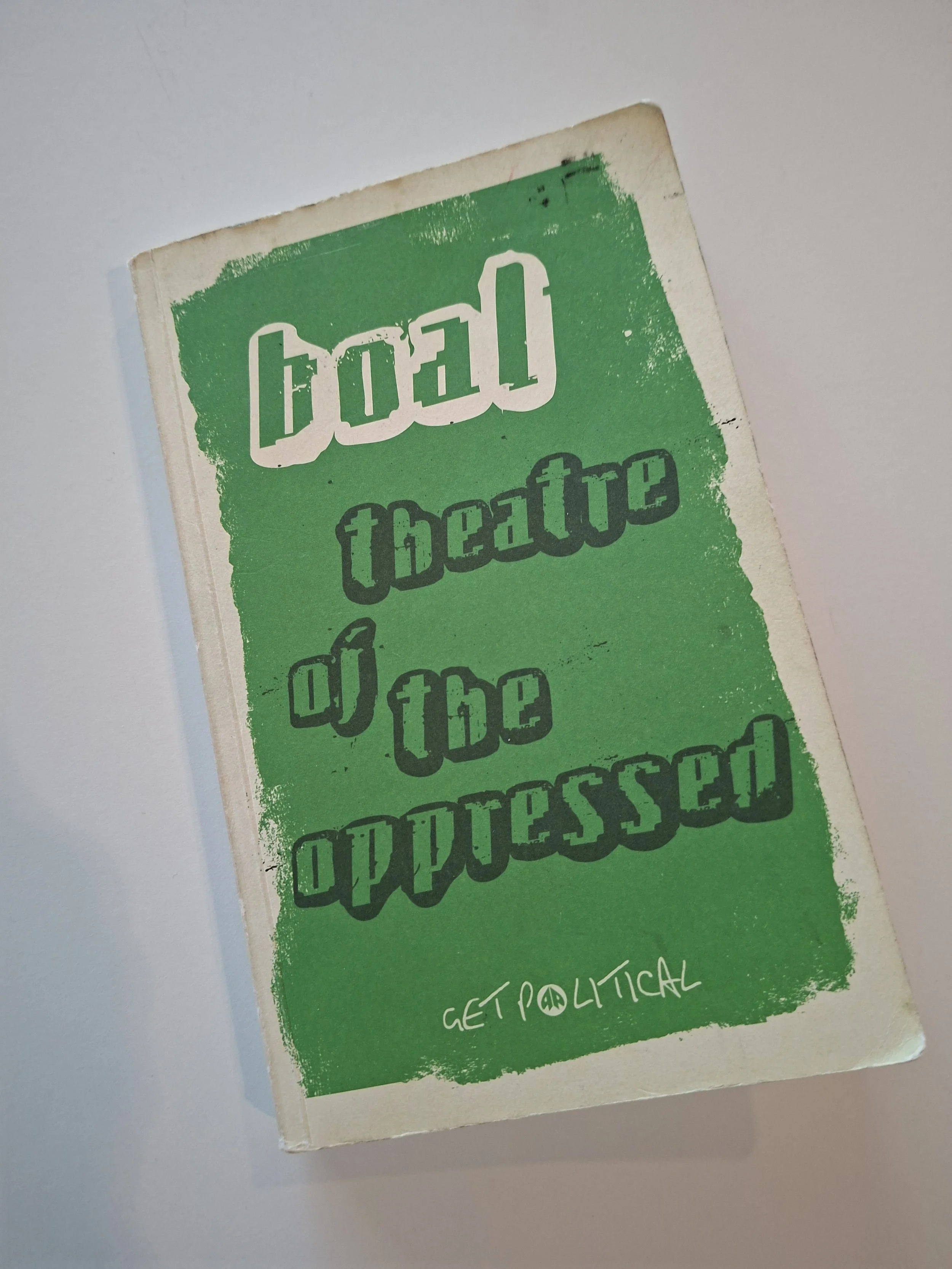

Blogg

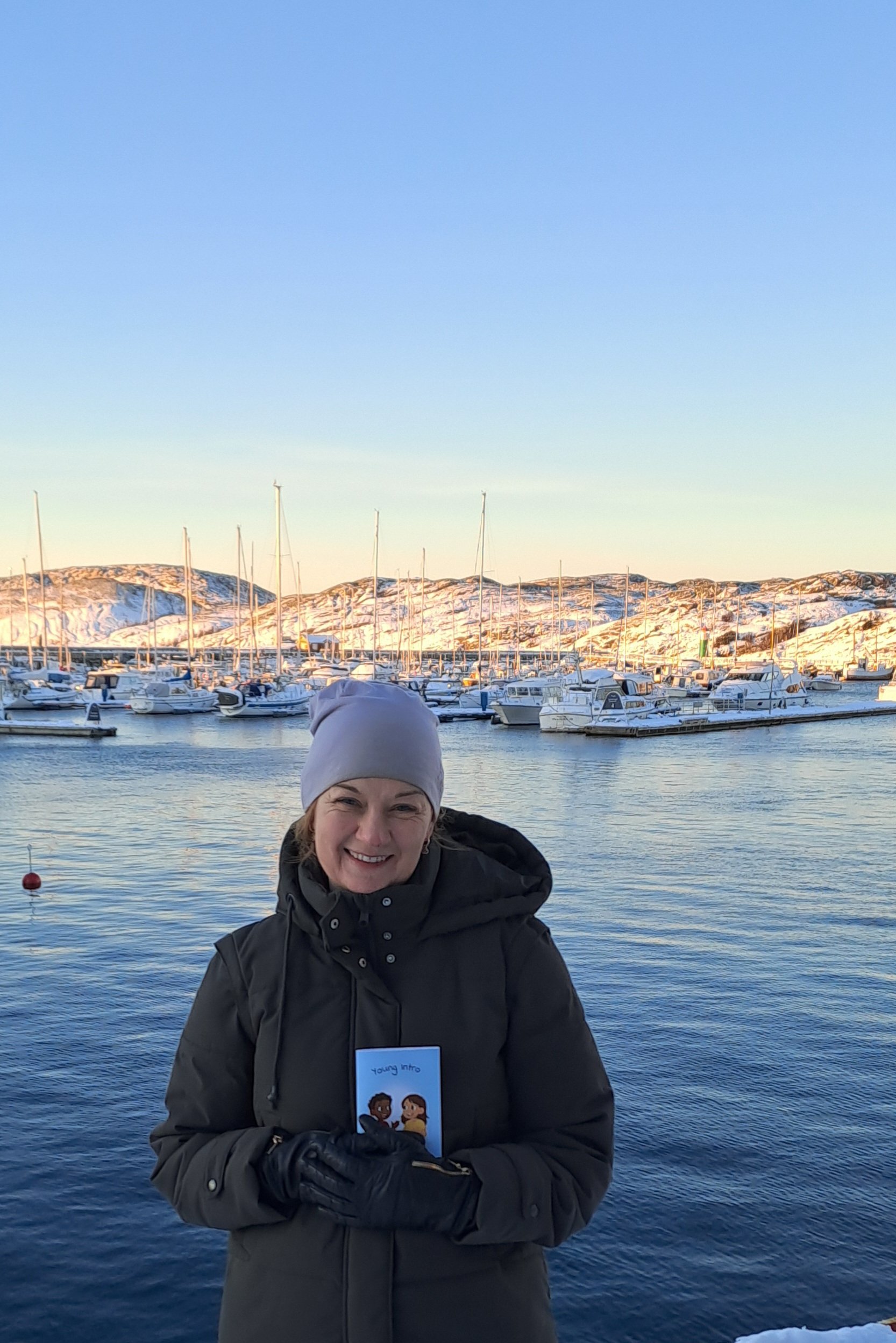
Silje Bratberg
Founder and owner of Young Intro
Founder and owner of Young Intro, Silje Bratberg, holds a Bachelor’s degree in International Relations from England, and A Master’s degree in International development from Australia. She has studied Human rights, multicultural understanding and conflict resolution at the University College of South-East Norway in Drammen. She has volunteered in Africa, and has studied outdoor education at Nord universitet in Bodø, Northern Norway.
ZIG-ZAG
ZIG-ZAG
In this video clip we are playing “Zig-Zag”. The purpose with this activity is to establish contact and relations in a group. Participation promotes inclusion, trust-building and cooperation. It also creates a group dynamic in a setting where people do not know each other. And also, to have a good time.
«We have had fun!»
“Another girl was so happy when she saw that some of the children on the cards had dark skin just like her. This led to many good and meaningful conversations with the children about the fact that not all children/adults have the same skin color, because they have different cultures and come from different countries.”
— Manager of a kindergarten in Lofoten

All of our work is dialogue-based and promotes participation and inclusion. Group facilitaion with “Children Talking” enhances cooperation, communication, tolerance and compassion.
«With the youngest, you see the feeling of mastery when they say a word, and we confirm it by saying the word again. Then they light up, smile, and say the word once more while seeming very pleased that it was correct. We also see it as their vocabulary expands, and they come up with more and more words.»
— Manager of a kindergarten in Bodø
«I have noticed that some children like the talking cards more than others, and ask about the cards more than others. Those who found it a bit scary and spoke very quietly and little at first show more joy the more we have used the cards. You can see that they have more to say, speak a bit louder, and don’t seem as uncomfortable.»
— Manager of a kindergarten in Bodø